
Myths about gambling Debunking common misconceptions for better understanding
The Gambler’s Fallacy
One of the most prevalent misconceptions about gambling is the gambler’s fallacy. This belief suggests that past outcomes influence future results in games of chance, like slot machines or roulette. Many gamblers erroneously think that if a particular number hasn’t appeared in a while, it is “due” to come up soon. However, each spin or roll is independent of the last, governed by random probability. By recognizing these patterns and utilizing helpful resources, such as slots apps, players can better navigate the gaming landscape.
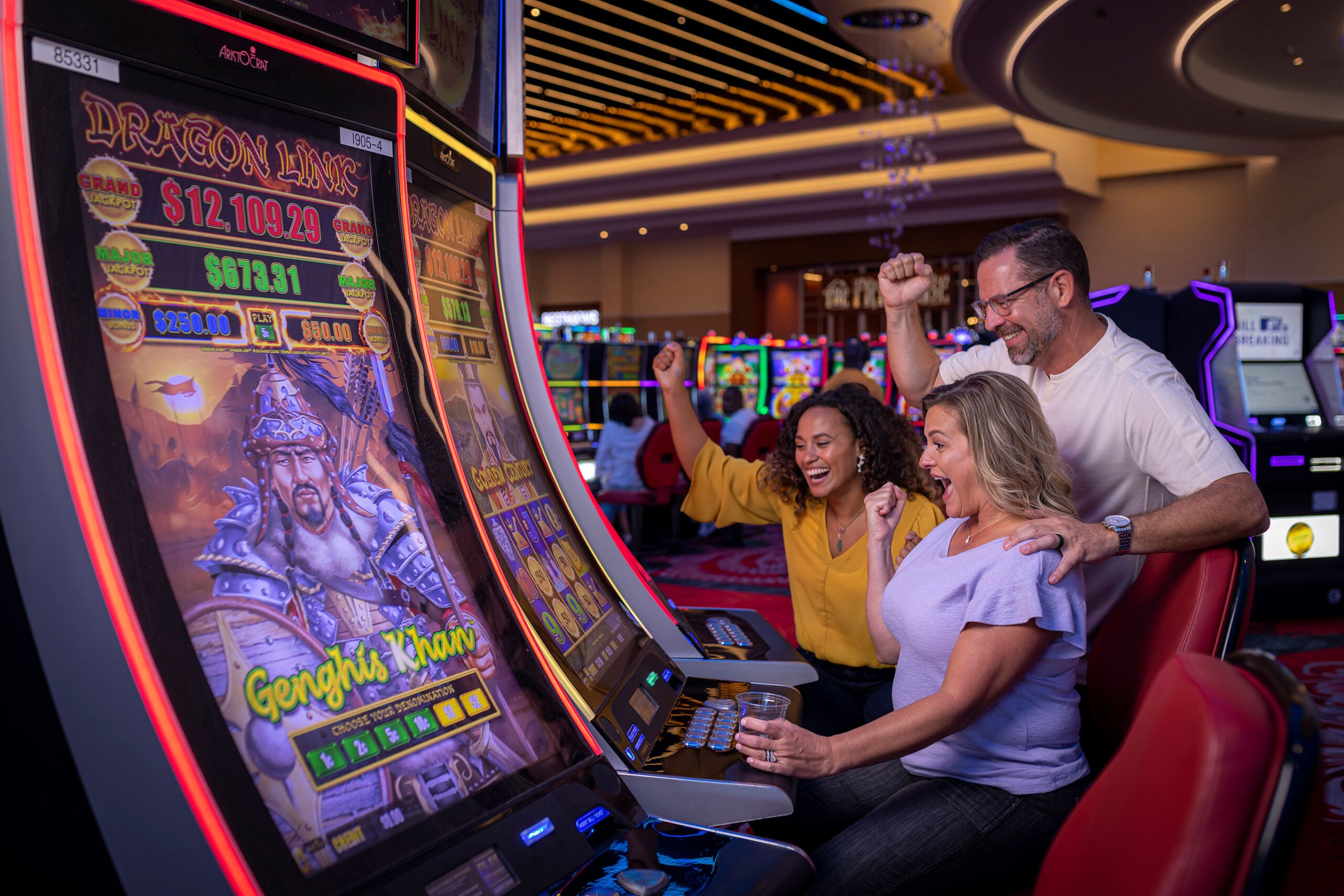
Understanding the gambler’s fallacy is crucial for making informed decisions. Knowledge of how games operate can prevent players from chasing losses or making irrational bets based on faulty logic. In reality, odds remain constant, and recognizing this fact can lead to a more rational gambling experience.
Gambling is a Sure Way to Make Money
Another myth is that gambling is a guaranteed method for making quick money. Many people are drawn to the thrill of potential winnings, overlooking the fact that casinos are designed to have a house edge. This means the odds are structured in favor of the establishment, ensuring that over time, the house will profit more than the players.
While it’s true that some individuals may experience temporary wins, relying on gambling as a primary source of income is unrealistic and fraught with risk. By understanding the true nature of odds and payouts, gamblers can better manage their expectations and engage more responsibly.
The Allure of Gambling Addiction
Gambling addiction is often portrayed as an inevitable outcome for anyone who engages in betting. While it’s true that some individuals may develop unhealthy habits, the majority of gamblers can enjoy games without falling into addiction. This misconception can stigmatize responsible gamblers and create unnecessary fear around the activity.
It’s essential to recognize the factors contributing to gambling addiction, such as underlying mental health issues or environmental influences. Awareness and education can foster healthier attitudes towards gambling, encouraging individuals to partake responsibly while recognizing their limits.
All Forms of Gambling are the Same
Many believe that all types of gambling share the same risk level and reward potential. This is misleading, as different games come with varying odds and strategies. For example, skill-based games like poker require knowledge and experience, while games of pure chance, like lotteries, rely entirely on luck.
Understanding the distinctions between various forms of gambling is vital for strategic play. Gamblers can improve their chances of success by choosing games that align with their skill set and comfort level, enhancing both enjoyment and potential gains.

Understanding Online Gambling Platforms
As online gambling continues to grow in popularity, it’s crucial to address misconceptions surrounding digital platforms. Some people erroneously believe that online gambling is less secure than traditional methods. However, reputable online casinos employ advanced security measures to protect user information and transactions.
Moreover, these platforms often provide various features designed to enhance user experience, such as responsible gaming tools and easy accessibility. For those looking to engage in online gambling, understanding the landscape can lead to informed choices, ensuring a safer and more enjoyable experience.